
Typ wydarzenia: Spektakl

  • CLIC / KLIK

    Społeczeństwo stało się niewolnikiem algorytmu: rodzaju inteligencji pozbawionej świadomości, dalekiej od ludzkiego intelektu, jakiego znaliśmy do tej pory. Historia dzieje się w niedalekiej przyszłości, w której ludzie są monitorowani i kontrolowani przez korporację. Żyją w społeczeństwie, gdzie ludzkie ciało jest „ulepszane” wszczepami mechanicznych organów. W obliczu tej rzeczywistości nasuwają się pewne poważne pytania: Czy będziemy w stanie któregoś dnia zapisać nasze dusze na dysku twardym? Czy nie oddalamy się zbyt daleko od natury?

    Society has been enslaved by algorithms: a type of intelligence without consciousness, far removed from the human intellect as we have known it until now. In this new reality, do feelings like fear, joy, anger or love still survive? The story takes place in a not-too-distant future, where humans live in a society surveilled and controlled by a single corporation and where the human body is „improved” with transplants of mechanical organs. In the face of this reality, some serious questions strongly emerge: Will we one day be able to save our souls on a hard disk? Are we straying too far from nature?
  • SEN KALPURNII

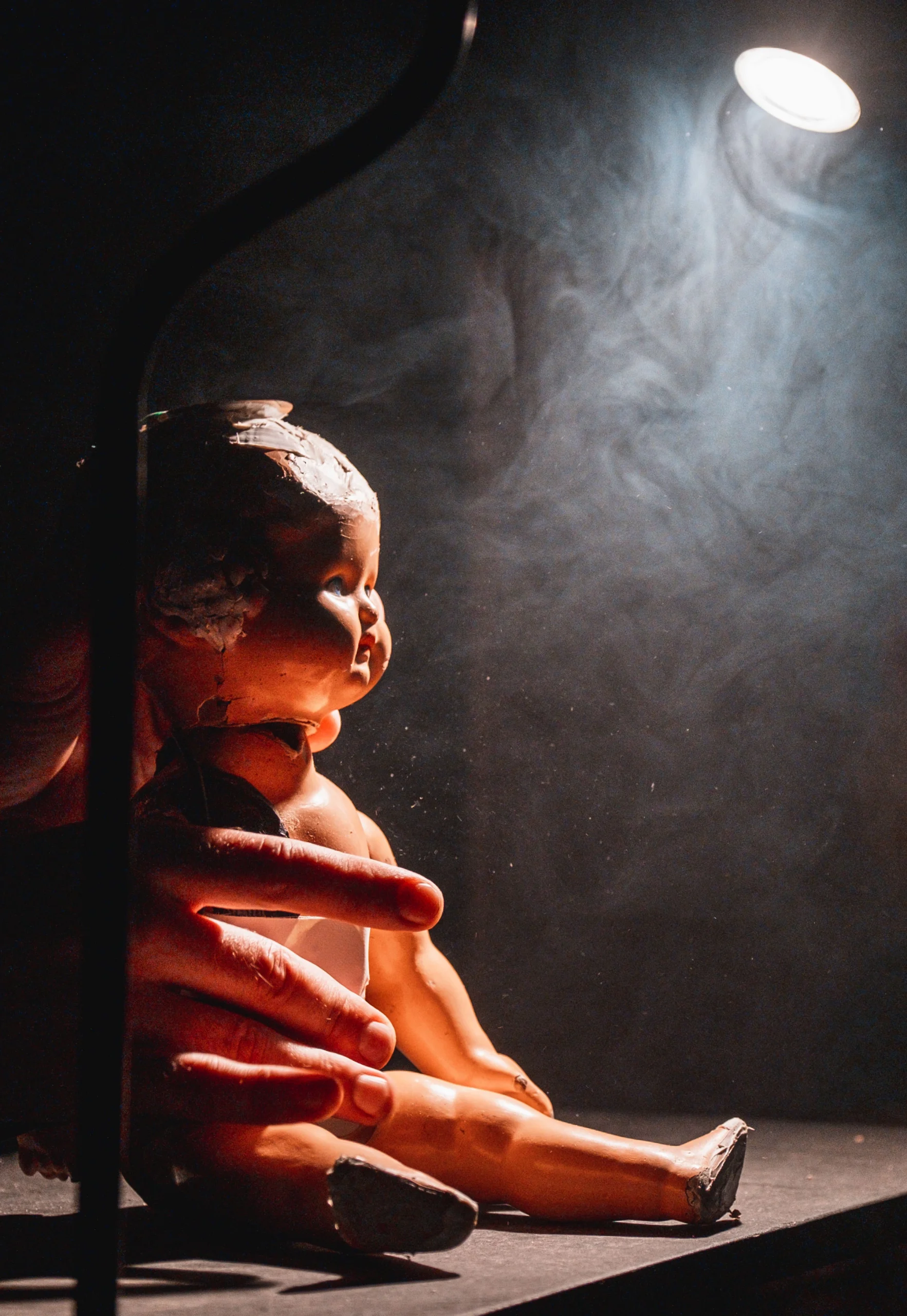
    Czworo aktorów spotyka się wokół posągu Juliusza Cezara. Wcielając się w postaci dramatu, opowiadają historię spisku i upadku republiki. Próbują zajrzeć poza pomnikowe wizerunki swoich bohaterów – zamiast na ideach, takich jak sława, odwaga, lojalność, skupiają się na emocjach – na wstydzie, strachu, zazdrości. Z tekstu Szekspira potrafią wydobyć także jego ironiczny ton, przypominając, że wielka polityka bywa zarazem tragedią i farsą.

    In the play, four actors gather around the statue of Julius Caesar. Taking on the roles of the characters, they tell a story of scheme and the fall of the Republic. They try to look beyond the monumental busts of their characters – instead of focusing on notions such as fame, courage, and loyalty, they pay more attention to feelings –
    shame, fear, and jealousy. They also bring out this ironic tang in Shakespeare’s drama, reminding us that high politics can be both tragedy and farce.

  • CZŁOWIEK W KAPELUSZU / MAN IN A HAT

    Kiedy pewien mężczyzna zatrzymuje się, by wypić filiżankę kawy, nie przeczuwa jeszcze, że za chwilę rozpocznie podróż, która odmieni całe jego życie. Jego kapelusz, nagle ożywiony tajemniczą siłą, wciąga go do wnętrza niekończących się schodów prowadzących w głąb własnego kapelusza. Co mężczyzna odnajdzie w tym ukrytym, zagadkowym miejscu? Zanim się obejrzy, staje się częścią niesamowitej przygody… w kapeluszu! Po tej niezwykłej podróży już nigdy nie będzie taki sam.

    When a man stops by to drink a cup of coffee, he doesn’t suspect that in a moment he will begin a journey that will change his whole life. His hat, suddenly brought to life by a mysterious force, pulls him into an endless flight of stairs leading deep into the hat itself. What will the man find in this secret, enigmatic place? Before he knows it, he becomes a part of an incredible adventure… inside the hat! After this extraordinary journey, he will never be the same.

  • MAKBET – STUDIUM SNU / MACBETH – SLEEP STUDY

    Makbet to studium zatracenia się w namiętności władzy i zbrodni. Lecz kto je i w jaki sposób stworzył, skąd się wzięły, z jakiej ludzkiej, a może nie tylko ludzkiej słabości? Co było u ich zarania? Czy namiętność i zniszczenia są skutkami ubocznymi pasji tworzenia świata? Czy stoi za nimi podłoże metafizyczne, zdecydowanie wykraczające poza racje umysłu i ludzkiego istnienia w tym świecie? Spektakl jest o naturze tworzenia. I żądzy destrukcji. I jedno, i drugie może, a nawet powinno zdarzyć się w teatrze.

    Macbeth is a study of losing oneself in the passion for power and crime. But who created them, and how? Where did they come from? What human – or perhaps not merely human – weakness lies at their root? What lay at their origins? Are passion and destruction side effects of the passion for creating the world? Is there a metaphysical foundation behind them, one that goes far beyond the rationality of mind and human existence in this world? The play is about the nature of creation. And the lust for destruction. Both could, and even should, find their place in theatre.

  • DZIEWCZYNKA Z MAŁĄ WALZKĄ / THE GIRL WITH THE LITTLE SUITCASE

    Dziewczynka z walizką podróżuje przez pięć historii. Napotyka lęki, wyzwania i wyjątkowe chwile. Świat, w którym wyobraźnia, odwaga i wrażliwość współżyją, kreowany jest poprzez niemą narrację, lalkarstwo, teatr formy i cieni.

    Uwaga: Spektakl zawiera sceny poruszające tematykę wojny i wysiedleń. Dla dzieci dotkniętych wojną i wysiedleniami te sceny mogą być przytłaczające. Zalecamy, aby rodzice lub opiekunowie towarzyszyli dzieciom podczas spektaklu i w razie potrzeby omówili z nimi jego treść.

    A girl with a suitcase travels through five stories. She encounters fears, challenges, and special moments. Through wordless storytelling, puppetry, object theatre, and shadow theatre, a world is created where imagination, courage, and vulnerability coexist.

    Please note: The play contains scenes dealing with war and displacement. For children who have experienced war or displacement themselves, these scenes may be distressing. We recommend that parents or carers attend the performance with their children and discuss it with them if necessary.

  • KWIAT PAPROCI / THE FERN FLOWER

    Widowisko zostało zrealizowane na podstawie baśni Ignacego Kraszewskiego Kwiat paproci, opartej na polskiej tradycji nocy świętojańskiej. Główny bohater, Jacuś, w drodze po tytułowy kwiat, ku dorosłości, mierząc się z leśnymi strachami oraz własnymi słabościami, stanie przed kluczowym pytaniem – gdzie jest prawdziwe szczęście? W spektaklu zabawa miesza się z poezją, żart z patosem, a stara jak świat opowieść przynosi nam wielką, prostą mądrość, której tak bardzo potrzeba we współczesnym skomplikowanym świecie.

    The performance is based on Ignacy Kraszewski’s fairy tale The Fern Flower, which draws on the Polish tradition of the Midsummer Eve. The main character, Jacuś, on his quest to find the titular flower and on his journey towards adulthood, faces the forest’s terrors and his own weaknesses; he is ultimately confronted with a crucial question: where does true happiness lie? In the play, fun meets poetry, humour meets pathos, and this old-as-time tale gives us great, simple wisdom we so sorely need in this modern and complicated world.

  • WSZYSTKO BĘDZIE DOBRZE – MAM NADZIEJĘ / EVERYTHING WILL BE FINE – I HOPE SO

    To eksperymentalny monodram Krzysztofa Falkowskiego, w którym klasyczna fabuła Hamleta staje się mapą psychicznej wędrówki bohatera ku własnej nieświadomości. Spektakl łączy odwagę formalną z głęboką refleksją nad współczesną kondycją psychiczną. Aktor nie opowiada historii, a uruchamia proces – Hamlet staje się każdym z nas, próbującym pogodzić to, co świadome, z tym, co ukryte. Widz zostaje zaproszony do własnej konfrontacji z Cieniem.

    This is an experimental monodrama by Krzysztof Falkowski, in which the classic plot of Hamlet becomes a map to the protagonist’s psychological journey towards his own unconscious. The play combines formal boldness with a profound reflection on the contemporary psychological condition. The actor doesn’t tell a story but sets a process in motion – Hamlet becomes each one of us, trying to reconcile the conscious with the hidden. The spectator is invited to confront their own Shadow.

  • HAŁAS / NOISE

    Czym jest dziś spokój? Czy da się go mieć, zachować, obronić? A kiedyś – czy będzie się dało? Skoro nasza rzeczywistość w tym tygodniu jest inna niż była w poprzednim i inna niż będzie w następnym? I nie ma szans, żebyśmy zdążyli się do niej przystosować? Czy nadmiar bodźców strzelających w nasz system nerwowy kiedyś się zatrzyma, wycofa, odpuści?

    What is peace today? Can one have it, keep it, defend it? Will it be possible someday? Since our reality this week is different from the one last week and different from the one next week? And there is no way for us to get used to it? Will the barrage of stimuli bombarding our nervous system ever stop, recede, let up?

  • SYN / SON

    We wsi obok dzieją się dziwne rzeczy. Dziecko urodziło się zdrowe i ładne, ale głowa była minimalnie za duża, oczy szerzej rozstawione i ciemne. Leśna baba orzekła, że zostało podmienione. Spektakl Syn na motywach prozy Mirosława Miniszewskiego balansuje między komedią ludową a mrocznym horrorem, między wiejską zabobonnością a bardzo współczesną historią o wykluczeniu i niezrozumieniu.

    In the nearby village, strange things are happening. A child was born, healthy and pretty, but the head was marginally too big; the eyes were set wider apart and were dark. The forest witch said the child had been swapped. The play, based on Mirosław Miniszewski’s prose, balances between folk comedy and dark horror, between rural superstitions and a very modern story about exclusion and misunderstanding.

  • EXIT / WYJŚCIE – OTWARCIE FESTIWALU

    EXIT / WYJŚCIE – OTWARCIE FESTIWALU

    Pusty pokój, ksiądz, lalka, papier, zabawki, Andersen. Lalkowy kabaret Exit jest odważną harmonią muzyki folkowej na żywo i elektronicznych brzmień, obiektów, opowieści i ich echa. W performansie każdy obiekt ma przypisaną muzyczną rolę, tak aby funkcjonował jako instrument, a tym samym stał się żywą istotą. W ten sposób każdy z przedmiotów nabiera znaczenia we własnej kompozycji, złożonej z fragmentów powieści Andersena. Motywem przewodnim jest interpretacja za pomocą dźwięków przedmiotów, tworząca wyjątkowy rodzaj intymności, który pojawia się naprzemiennie z musicalem i kabaretem.

    An empty room, a priest, a puppet, paper, toys, Andersen. Puppet cabaret Exit is a daring harmony of live folk and electric music, objects and materials, stories and their echoes. In the performance, each object is assigned a specific musical role, with the intention of functioning as a sound instrument and thus as a living being. In this way, each object is given a meaning in its own composition, which is made up of fragments of motifs from Andersen’s stories. The leitmotifs are interpreted with the sounds of the objects, causing a special kind of intimacy that constantly alternates with musical and cabaret pieces.